Want to improve your presence on camera? In this article, I’m going to share a few simple tips and exercises that will help you feel more confident and engaging—right before you hit “record.” These are techniques we use in acting to warm up before rehearsals or performances, and they can make a big difference when you’re filming videos too.
Remember: when you’re recording, you’re using your whole body—your voice, your face, your posture. Just like with any kind of performing, warming up is essential to use these tools effectively.
These three techniques focus on:
- Facial readiness
- Voice and speech
- Posture
Please note that I’m not a professional vocal coach what I’m sharing is what I learned and what I use as well to warm up.
1. Facial Warm-Up: Wake Up Your Expressions
Your face is full of muscles, and they often go unused or tense without us realizing. Yet, your facial expressions, gestures, and speech all rely on this complex network of muscles.
Here’s a quick facial massage to activate and relax those muscles and improve expressiveness on camera.
Face Massage Routine:
Before you start massaging your face, warm up your hands a bit in case they’re cold (and wash them).
- Use your knuckles to gently massage your forehead in circular or tapping, gentle pressing motions.
- Move down to your eyebrows—this area can be tender and tense, so go gently.
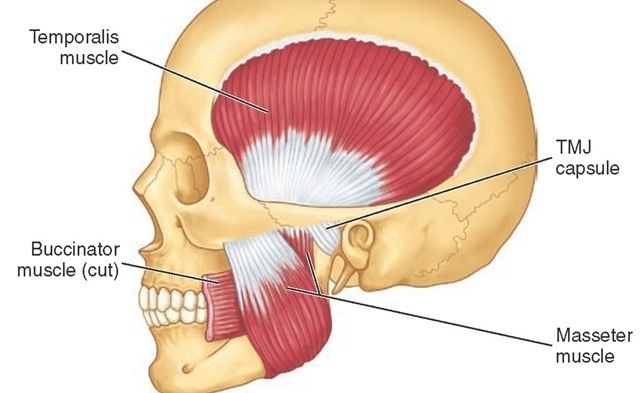
- Massage your cheekbones, then move to the masseter muscles (the strong muscles at the sides of your jaw). To massage these parts you can switch to your fingers.
- Massage your temples (temporalis muscle above and around your ears) to relax the jaw and facial tension.
- Finish by gently massaging around your jawline.
Now that your face is relaxed, here’s a fun way to fully activate it:
Big Face / Small Face Exercise:
- Make a BIG face—wide eyes, big smile.
- Then make a tiny face—squeeze everything in.
- Alternate a few times.
It may feel silly, but it really helps with facial expressiveness and makes you feel more “awake” on camera.
2. Voice & Speech: Warm Up Your Vocal Presence
Your voice is one of your most powerful tools on camera. A tired or unprepared voice can sound flat, weak, or strained. However, with a few simple exercises you can open up your voice and make it sound more full and bodied.
We’ll start with a SOVT exercise—that stands for Semi-Occluded Vocal Tract—which warms up your voice while protecting your vocal cords.
What You Need:
- A cup or water bottle
- A straw
How to Do Straw Phonation:
- Fill the cup or bottle with some water.
- Put the straw into the water—not too deep, leave space between the straw’s end and the bottom.
- Start by blowing air into the straw, maintaining a steady stream of bubbles. Avoid sudden bursts or “volcano” effects.
- Then add a gentle “uhh” sound while blowing through the straw—maintain consistent airflow and pitch. Imagine that your doing a sustained “B” sound.
- Try this on different pitches (low, medium, high) for about 10–15 seconds each. If you feel like you run out of air too quickly, do it for less time especially if it makes you feel dizzy. (It might!)
- Do a few gliding sounds—sliding up and down in pitch while maintaining the bubbles.
- Finally, try singing the melody of “Happy Birthday” into the straw, keeping the airflow smooth and steady. Pay closer attention to parts where you go higher in pitch as during those notes the “volcano” effect happens easier.
Generally, doing straw phonation for 5 minutes a day is all that’s recommended, but at the beginning you might do even less than that to get used to it.
This exercise will open up your vocal tract, reduce strain, and give your voice a fuller, more resonant sound.

Quick Speech Warm-Up with Tongue Twisters
As part of your vocal warm up, after straw phonation, try these tongue twisters to warm up your speech and articulation:
- “Thirty-three thirsty thieves thought they thrilled through thick thistles.”
- “Red lorry, yellow lorry.”
- “Unique New York. You know you need Unique New York.”
- “Red leather, yellow leather.”
- “Betty Botter bought some butter…”
Repeat each one several times, clearly and slowly, and build up speed. In this article you may found more tongue twisters for a more thorough speech warm-up.
3. Posture: Align Yourself Before You Hit “Record”
Finally, a good posture on camera can instantly improve your presence. There’s a big difference between sitting collapsed—shoulders slouched, sternum collapsed, spine curved—and showing up with upright energy.
Poor posture communicates a lack of purpose or enthusiasm. It will ultimately make speaking harder as well. On the other hand, natural, upright posture shows confidence and intent and breathing will also be much easier and efficient.
If you struggle with posture (maybe you’ve been told to pull your shoulders back or heard other confusing advice), here’s a simple 30-second technique from the Alexander Technique, a method often used in acting and movement training.
Note that I’m not an Alexander Technique teacher—this is simply what I’ve learned in acting school.
How to Do It:
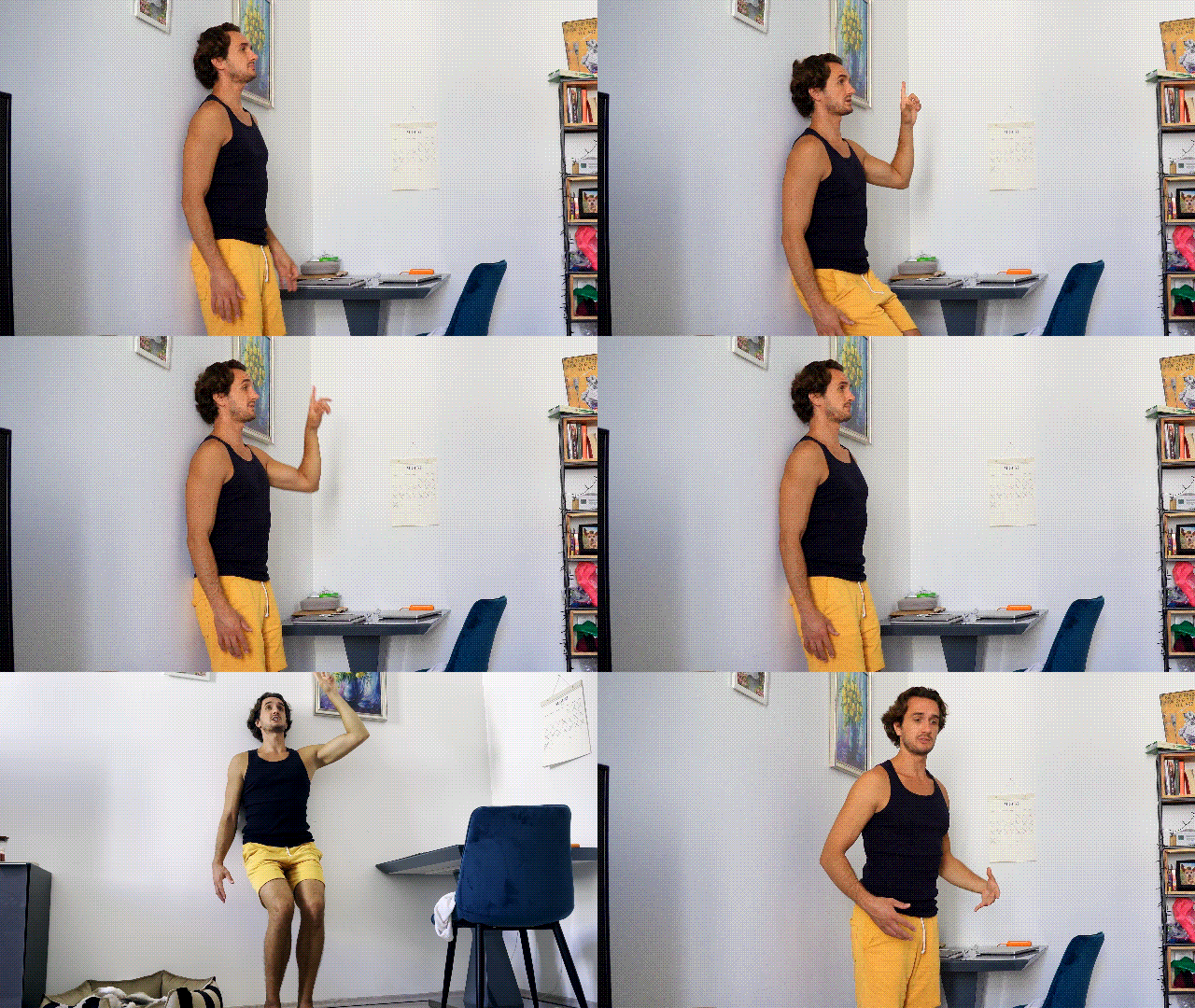
- Find a flat wall and stand about a foot away from it (about 30cm) —your back facing the wall.
- Lean your back gently against the wall. Feel the contact between the wall and your back.
- Think up. This might sound weird, but imagine your body growing taller—like you’re extending upward from the crown of your head.
- While thinking up, bend your knees slightly, keeping your back connected to the wall. This will make you start sliding down the wall, but be sure to constantly keep thinking up.
- Then stretch your knees and return to standing. Repeat this a few times.
- On the final repetition, stretch your knees and imagine pushing your back “through” the wall, still thinking upward.
- Step away from the wall. You should feel taller, aligned, and naturally upright.
If you’re standing in your video it’s especially good if do this right before you start filming. If you’re sitting, here’s one more tip:
When you sit, be sure to sit on your sitting bones, not your lower back and sit back on the chair as much as you can so that the back of the chair gives you a good support. This will help you stay aligned throughout the shoot.
Final Thoughts
So those were the three simple techniques to improve your camera presence:
- Wake up your facial muscles
- Warm up your voice and speech
- Align your posture
These methods come straight from my acting training and are used by performers every day. If they help actors, they’ll absolutely help content creators, educators, and anyone filming themselves.
Try them before your next video shoot and see how you feel—and look—on camera.




 Film Yourself Academy
You must be logged in to post a comment.