Choosing the right microphone is a crucial step in elevating the quality of your videos. For talking head videos you have several options.
I’m going to break things down by category. I’ll throw in a few recommendations, but my main goal is to help you understand which direction to go in and what types of microphones you should consider.
1. Shotgun Video Microphones
The most convenient option that a lot of video makers, content creators, and YouTubers use are shotgun video microphones1.
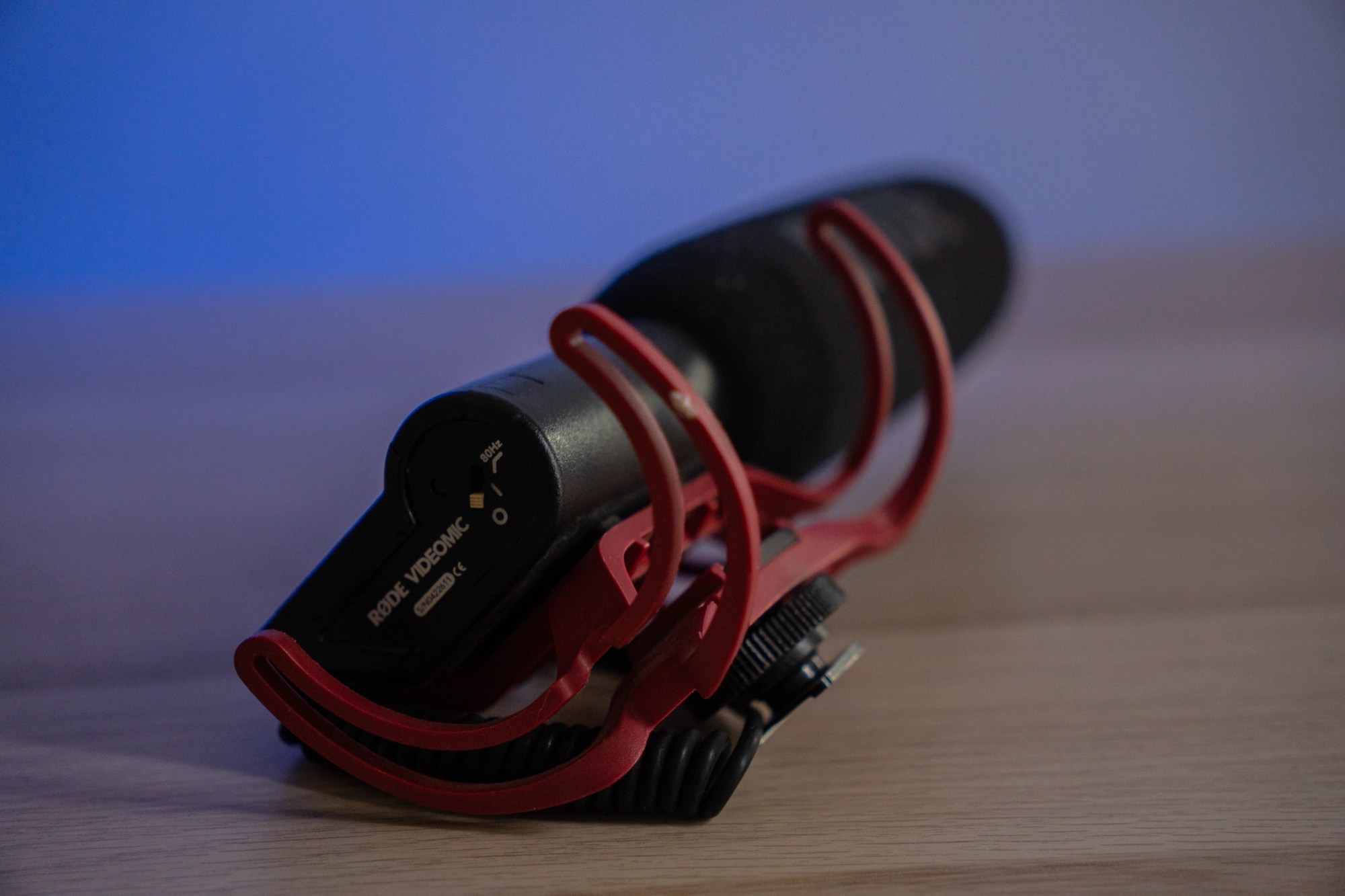
You can mount them on top of your camera, or even better, place them on a stand closer to your mouth. (In that case you need a long jack cable extension to reach the camera.)
A shotgun mic is essentially a directional mic—it’s like a zoom lens for sound. Wherever it’s pointed, that’s where it mainly picks up audio. This makes it perfect for talking head videos because it focuses on your voice while blocking a lot of background noise.
Why they’re great:
- Clearer speech compared to stereo or omnidirectional mics
- Affordable
- Easy to use
- Goes wherever your camera goes
- Most of them run on replaceable batteries
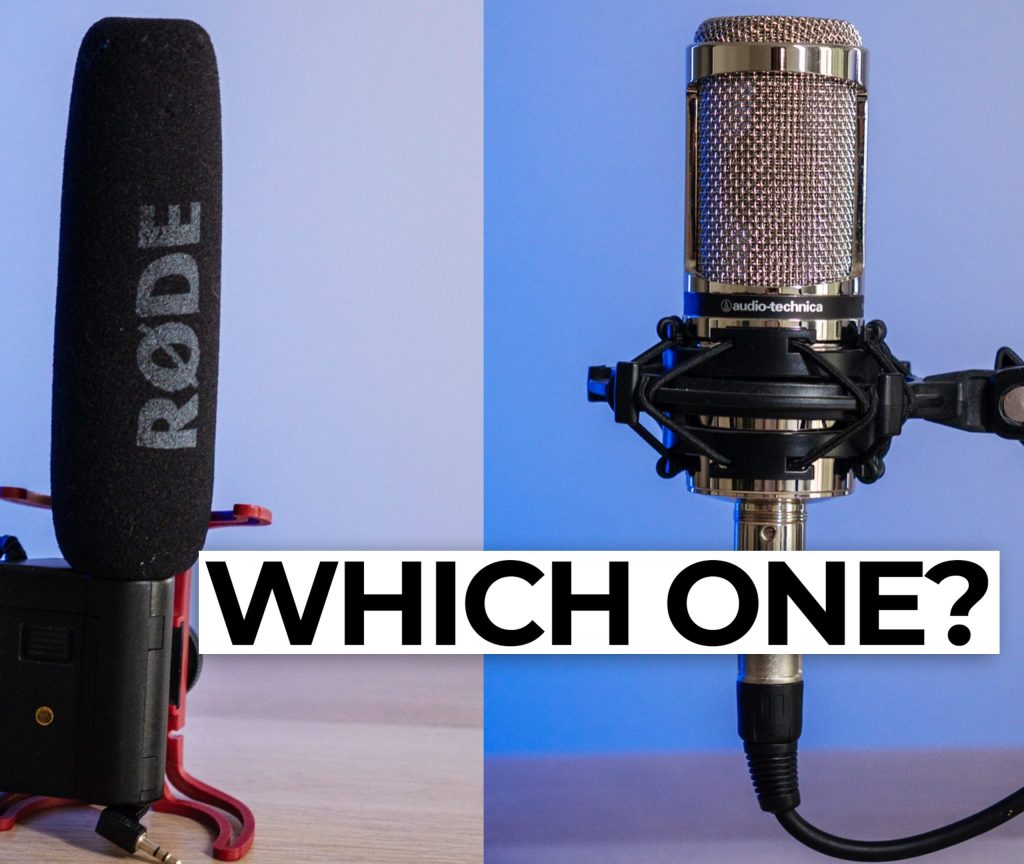
For example, Rode—probably the most well-known brand in this category—offers models ranging from budget-friendly to higher-end. I have a Rode VideoMic that’s over 10 years old and it still holds up.
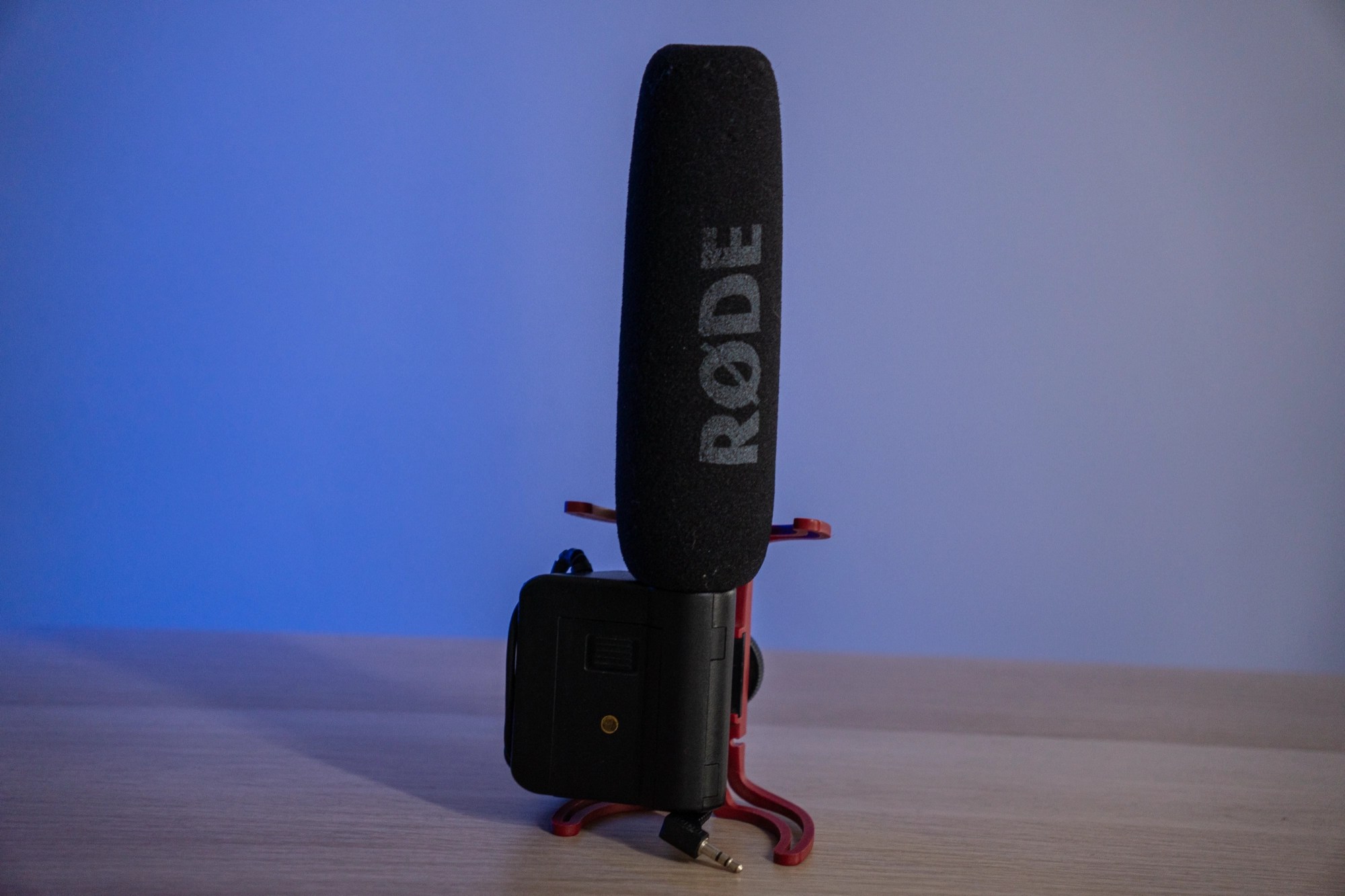
Budget models like the VideoMic Go or VideoMicro work well for beginners, though they’re not as crisp as pricier ones. Still, even a cheap shotgun video mic is miles ahead of your camera’s built-in mic, which is why I recommend them as a starting point.
Make sure however that the microphones is not too far, keep it about an arm’s length from your mouth. If it’s too close, the audio will lose depth.
2. Lavalier Microphones — Clip-Ons for Mobility
Next are lavalier mics, the little clip-on microphones.
Personally, I’m not a big fan of lav mics for indoor talking head videos. Cheaper ones often sound boxy, overly bass-heavy, and slightly muffled. Because they pick up only your direct voice without the room’s natural reflections, they can lack space and depth.
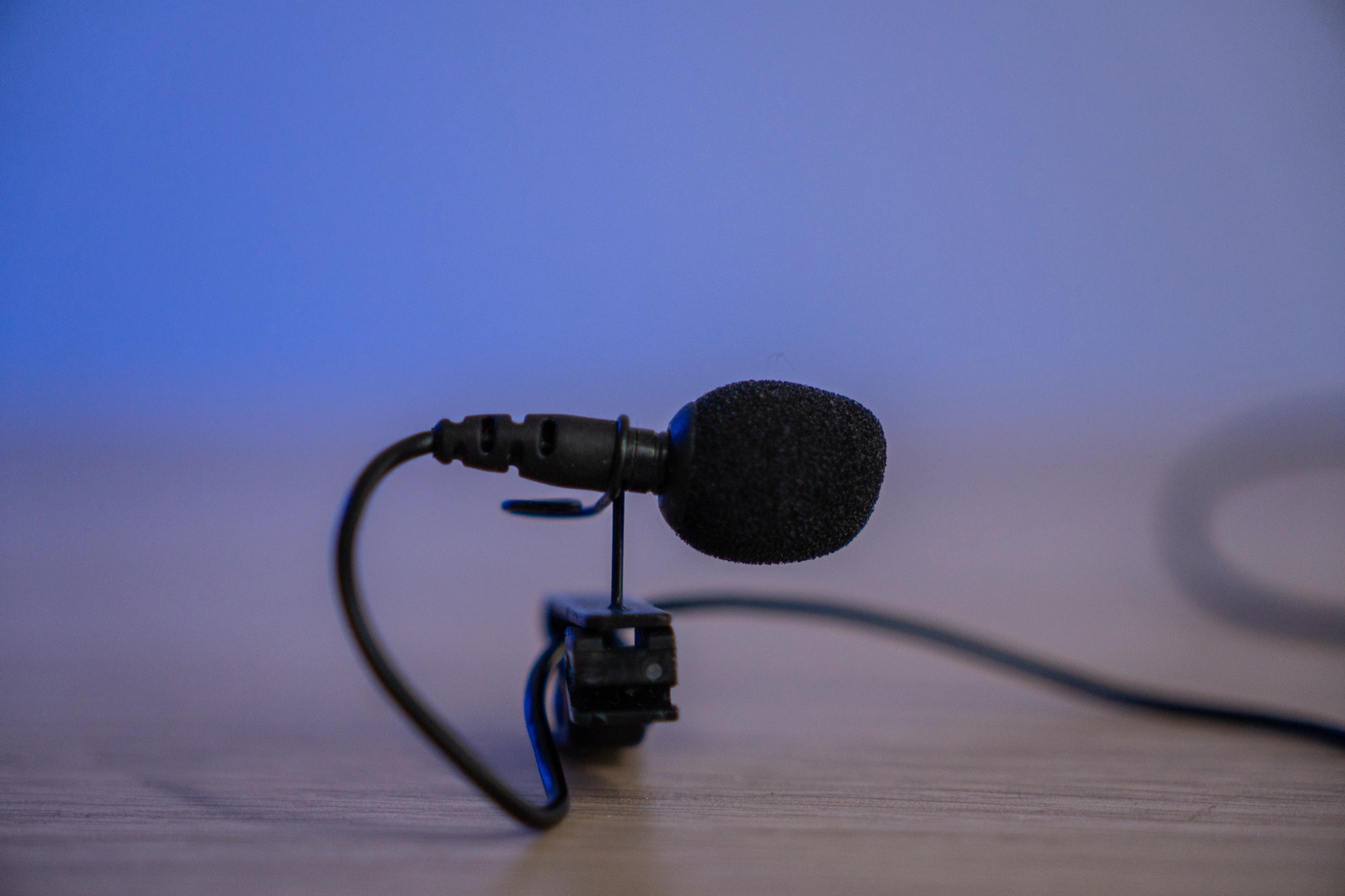
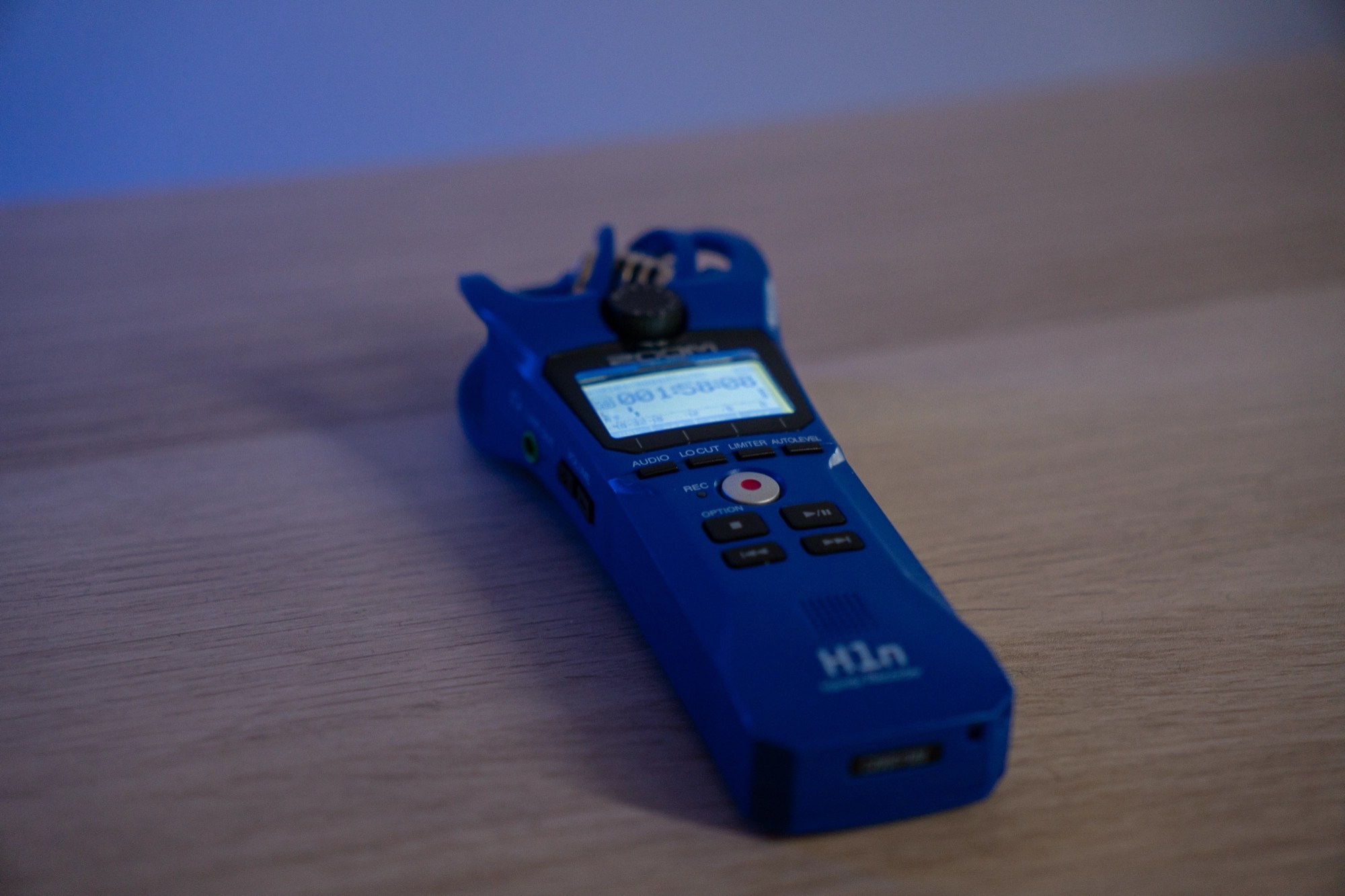
That said, lav mics are very useful in outdoor setups or when you’re far from the camera. But they require extra gear—either a portable recorder in your pocket or a wireless system, which can get pricey. I use mine with a Zoom H1n.
It’s also worth taking the aesthetic point of view into consideration as lavalier mics used for video making are pretty much always visible and they’re not that nice even if they’re small. You also have to be careful with their placement because if they touch your clothes and you move around they’ll pick up a lot of rustle noise.
So I’d keep lavalier mics at the bottom of my list of main recommendations for talking head videos.
3. Studio Microphones — Rich, Clear, and Professional
Now for my second main recommendation—tied with shotgun video mics—studio microphones. You’ll find two types: USB2 and XLR3 ones.
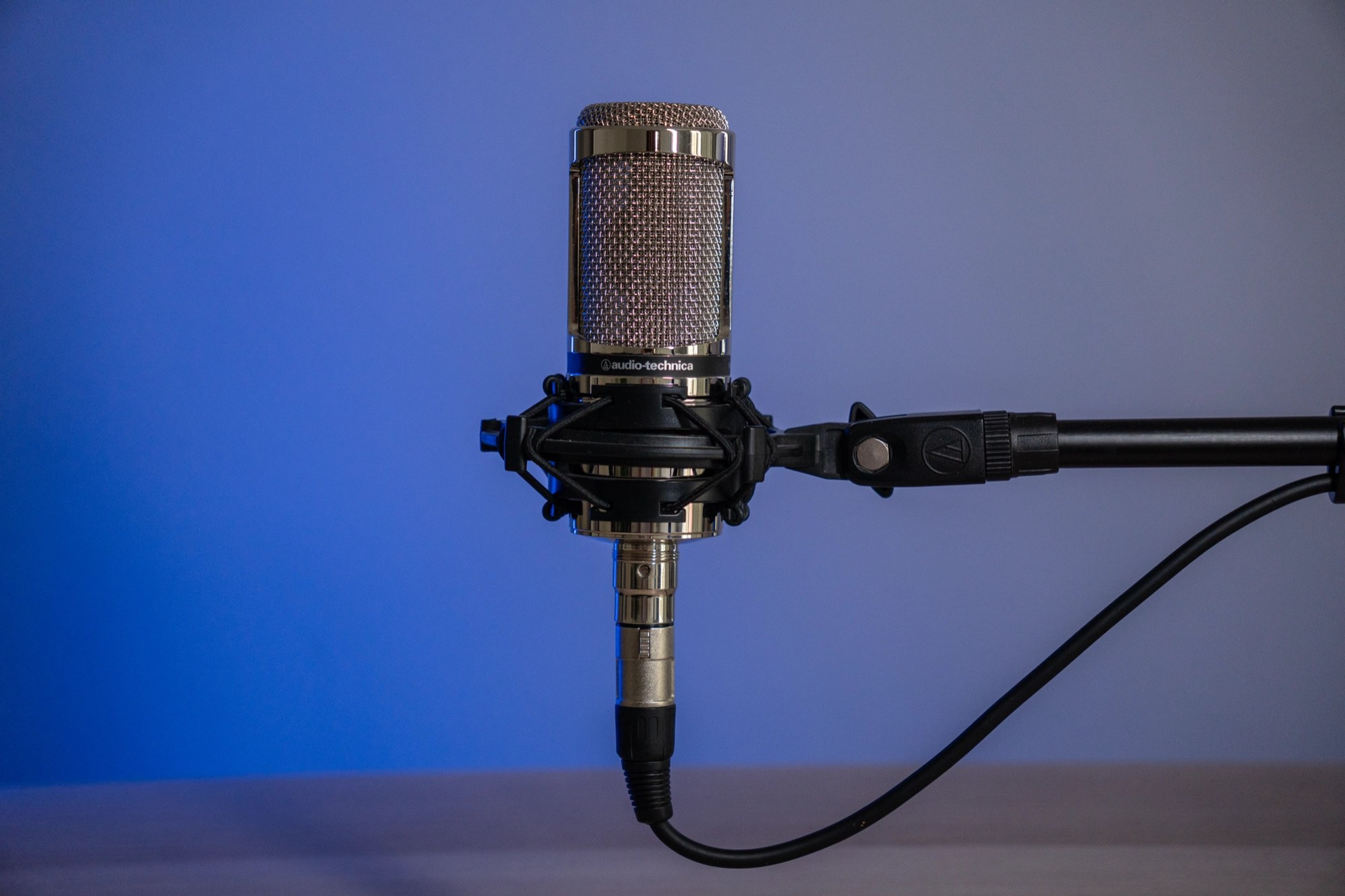
USB studio mics are plug-and-play, connecting directly to your computer and you record the audio using a dedicated software. Then of course you’ll need to sync the audio in post since it’s recorded separately from your video. It’s really not hard though.
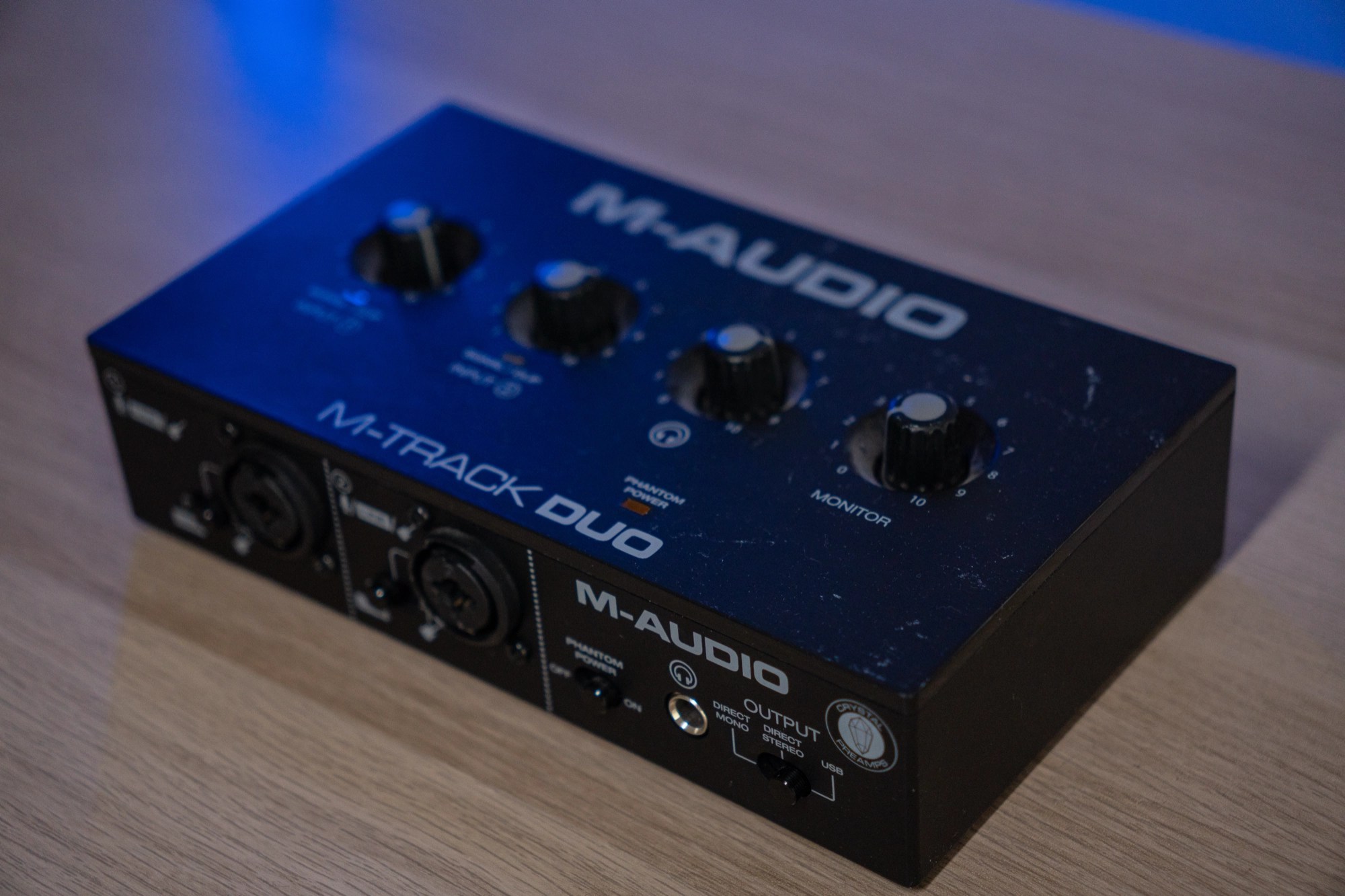
XLR studio mics, send analog audio directly to your external recorder or audio interface. Some high-end cameras, even have XLR or mini-XLR inputs. I use a $50 budget USB interface that is connected to my laptop. So in most cases you’ll need to sync the audio to the video with XLR studio mics as well, the difference is, that you can always upgrade your external recorder or audio interface as the audio quality you record won’t be solely up to the microphone it self, like in the case of USB mics.
These microphones need to be close to your mouth which means that they will be visible on camera. That’s why I chose a shiny chrome one because it looks great – something that can be said about all studio microphones.
For a solid mid-range XLR setup (mic, stand, interface), you’re looking at around $250–$300 but that set up will last you for a great while.
For USB mics, good options start around $60–$80, but you’ll need a computer nearby to record at all times.
4. XLR Shotgun Microphones
Finally, XLR shotgun mics – . These are more advanced versions of shotgun video mics, offering better sound quality and more flexibility.

They’re the industry standard on professional film sets—boom operators use them just out of frame to capture clean, natural dialogue. In the video above I use the Rode NTG-1 with my audio interface, recording straight into my computer.
You can connect them directly to your camera as well via and external recorder but for indoor shoots, recording straight to the computer is often easier. Naturally, these microphones start at a higher price and the limit is the sky so it’s not my main recommendation for talking head videos especially at the beginning.
That said, when considering audio quality, versatility and portability, these microphones win.
My Recommended Mic Path
If you’re recording talking head videos, UGC content, or video presentations:
- Best starting point: Shotgun video mic (e.g., Rode VideoMic series) — versatile, budget-friendly, huge upgrade from built-in mics and they’re portable as they connect directly into your camera.
- Next step up: USB studio mic — rich, clear sound if you don’t mind syncing in post and being limited to record via a computer nearby or carry an external recorder.
- Pro setup: XLR studio or shotgun mic with an audio interface or external recorder.
- Special cases: Lavalier mics only if you need mobility or are recording outdoors. You’ll need an external recorder for lav mics as well.
Final Thoughts
A good mic is an investment. Unlike cameras, which constantly get upgraded with higher resolutions and fancy AI features, a quality microphone can last you 10–15 years and still compete with new models. So if your budget allows, invest in something solid now—you’ll thank yourself later.





 Film Yourself Academy
You must be logged in to post a comment.